When to Call Emergency Fire Damage Services: Signs and Next Steps
A fire can turn your world upside down in minutes. The sights, the smell, the confusion—it’s overwhelming. If you’re facing fire_damage in your home, knowing when to call emergency services isn’t just a smart move. It’s the first step to regaining control and protecting your family.
At Franklin Fire Consulting, we know the chaos that follows a house fire. We’ve walked through smoke-stained hallways, checked sagging ceilings, and helped families pick up the pieces. Here’s what every homeowner needs to know about recognizing the signs of serious fire_damage and acting fast—before small problems become big disasters.
Immediate Signs of Serious Fire Damage
Some warnings shout. Others whisper. Either way, ignoring them can cost you dearly.
- Visible Charring or Burnt Structural Elements: If beams, walls, or supports look blackened, cracked, or warped, your home’s skeleton might be in trouble.
- Heavy Smoke Residue: Soot clinging to ceilings, walls, or even floating in the air means smoke has invaded deep into your home. It’s not just unsightly—it's toxic.
- Lingering Odors: A stubborn campfire smell signals invisible particles hiding in fabrics, walls, and HVAC systems.
- Pools or Streaks of Water: Firefighting often leaves water behind. If you see puddles or wet drywall, the clock is ticking. Mold and further damage are right behind.
- Unusual Sounds: Creaks, groans, or popping noises can mean shifting, weakened materials.
- Discolored Outlets or Wiring: Any sign of melted, scorched, or exposed electrical systems is a red flag.
If you spot any of these, don’t shrug them off. Each is a clue that fire_damage has gone deeper than surface level.
Safety Hazards: What to Watch For ⚠️
After a fire, your home can turn into a minefield of hidden dangers. Here’s what to look out for:
- Structural Instability: Floors that feel soft or walls that lean could collapse without warning.
- Electrical Risks: Damaged wiring or buzzing outlets can spark a second fire.
- Water Accumulation: Standing water breeds mold and can undermine your foundation.
- Toxic Residue: Smoke and soot can irritate lungs and skin, especially for children or those with respiratory issues.
- Broken Windows and Doors: Easy access for animals, weather, or even vandals.
- Corrosion: Moisture and soot together can eat away at metal fasteners and appliances in days, not weeks.
The National Fire Protection Association (NFPA) and FEMA both stress: If you have any doubts about safety, leave the home and call for professional help.
Why Response Time Matters
Fire_damage is like an untreated wound. The longer it’s left alone, the worse it gets.
- Mold sets in fast: Sometimes within 24 hours if water isn’t extracted.
- Structural weaknesses spread: What looks like a small burnt patch today could bring down a ceiling tomorrow.
- Corrosion accelerates: Electronics and appliances exposed to soot and moisture can become hazardous quickly.
- Insurance complications: Delaying action can complicate claims or reduce your coverage.
Quick, professional action can mean the difference between a simple restoration and a full rebuild.
What to Expect from Emergency Services 🛠️
When you call Franklin Fire Consulting for emergency fire_damage, here’s what happens next:
- Rapid Assessment: We walk through the property, pinpointing visible and hidden dangers.
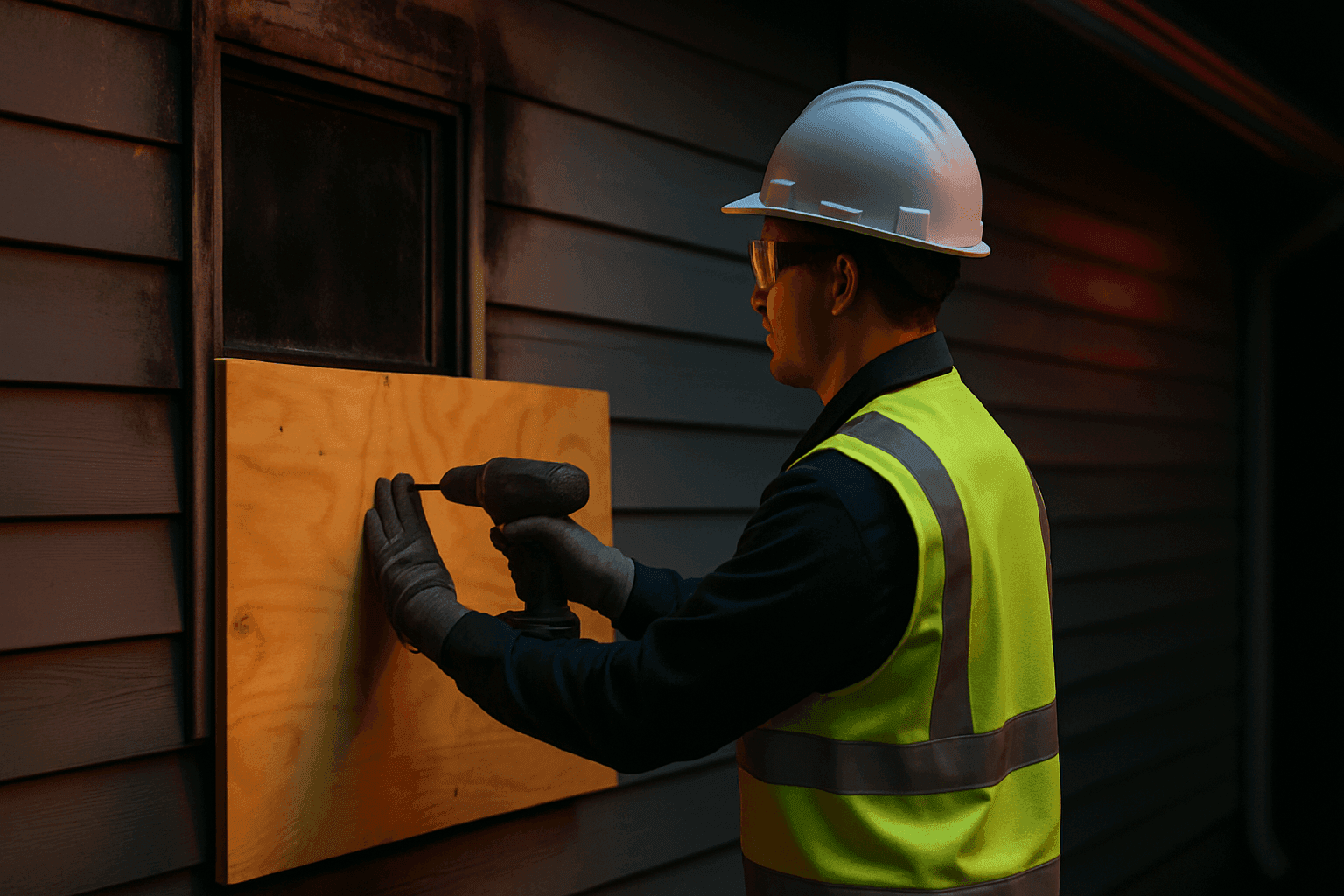
- Safety Stabilization: Emergency board-up, temporary fencing, or structural shoring as needed.
- Water Extraction: Removing water to halt mold before it starts.
- Smoke and Soot Removal: Specialized cleaning for surfaces, air ducts, and contents.
- Pack-Out & Content Cleaning: Salvaging your belongings, cleaning off-site if necessary.
- Corrosion Control: Treating exposed metals and electronics right away.
- Dehumidification & Environmental Services: Drying out the space and filtering the air.
- Detailed Damage Assessment: Documentation for your insurance—clear, thorough, and unbiased.
Our team follows current guidelines from the IICRC (Institute of Inspection Cleaning and Restoration Certification) and local code requirements, so your home gets care that’s both safe and sound.
Hidden Dangers: What’s Lurking Out of Sight
- Behind walls: Smoke often seeps deep—behind drywall, inside insulation, or along electrical paths.
- In the attic or crawlspace: Fire can smolder unnoticed, re-igniting hours later.
- Under floors: Water and soot collect where you can’t see, eating away at wood and flooring.
If you feel uneasy or things just don’t “look right,” trust your instincts. It’s better to call for a Damage Assessment near you than to risk bigger headaches later.
Practical Tips for Homeowners
- Don’t re-enter your home until cleared by fire officials.
- Avoid touching electrical panels, outlets, or appliances.
- Open windows for ventilation—but only if the structure is stable.
- Take photos for insurance, but don’t start major cleanup on your own.
- Keep children and pets away from damaged areas.
Why Some Jobs Aren’t DIY
A bucket and mop won’t fix fire_damage’s hidden threats. Here’s why:
- Specialty Equipment: Industrial dehumidifiers, air scrubbers, and remote monitoring tools are essential.
- Technical Know-How: Identifying structural weaknesses or hidden moisture takes training and experience.
- Insurance Compliance: Insurers often require professional documentation and restoration protocols.
Trying to handle it yourself may save a few dollars up front, but it can cost you far more (and risk your safety) in the long run.
What Pros Do On Arrival
- Inspect: Every inch, from attic to basement, for both obvious and subtle damage.
- Secure: Emergency board-up, temporary fencing, and stabilization.
- Extract: Water and smoke, using specialized tools.
- Document: For insurance claims, with photos and professional reports.
- Plan: A clear timeline for reconstruction, content cleaning, odor removal, and technical reconditioning.
Prevention & Maintenance
While you can't predict every fire, you can make your home safer:
- Install and test smoke alarms on every floor.
- Keep fire extinguishers handy and know how to use them.
- Have an escape plan and practice it with your family.
- Schedule regular home safety inspections.
- Store flammable materials safely and away from heat sources.
For more, see resources like the NFPA’s fire safety checklists for homes.
Costs & Time Factors
Every fire is different. Restoration costs and timelines depend on:
- Extent of Damage: A kitchen fire versus a whole-house blaze.
- Types of Materials Affected: Hardwood, drywall, electronics, and textiles each require different approaches.
- Speed of Response: The sooner you call, the faster you can return home.
- Insurance Coverage: Check your policy for what’s included.
Most jobs involve an initial assessment within hours, emergency stabilization, then a restoration plan spanning days to weeks.
When It’s an Emergency 🚨
Call for emergency fire_damage services if:
- You see structural damage, exposed wiring, or standing water.
- There’s a strong smoke or chemical odor days after the fire.
- Anyone in the home experiences breathing issues or eye irritation.
- You feel unsafe entering any part of your home.
- Local authorities haven’t cleared your property for re-entry.
It’s always safer to err on the side of caution. When in doubt, call for a professional Damage Assessment near you.
FAQ: Your Fire Damage Questions Answered
How soon should I call after a fire?
As soon as it’s safe and you’ve been cleared by officials. Rapid response limits secondary damage and speeds up recovery.
Will insurance cover emergency services?
Most homeowners’ policies include some level of coverage for fire restoration, but always check your specific plan.
Can I clean up soot myself?
Small, dry areas are manageable, but widespread soot may contain hazardous chemicals. Professional cleaning ensures safety.
Do I need to leave my house during restoration?
Depending on the damage and scope of work, you may need to relocate temporarily. We help you understand your options.
Local and Seasonal Considerations
Fire risks—and restoration needs—change with the seasons. Winter brings risk of frozen pipes after water extraction, while summer heat can accelerate mold growth. Flooding after firefighting is common in rainy climates.
No matter the season, Franklin Fire Consulting is ready with 24-hour service. Our team is trained for everything from emergency board-up to temporary power and technical reconditioning, so you’re covered year-round.
Fire_damage doesn’t wait—and neither should you. If you spot the warning signs or just feel uncertain, getting a professional Damage Assessment near you can make all the difference.
Call Franklin Fire Consulting now — or reach us anytime at 855-578-5098 .