How to Prevent House Fires: Essential Tips for Every Season
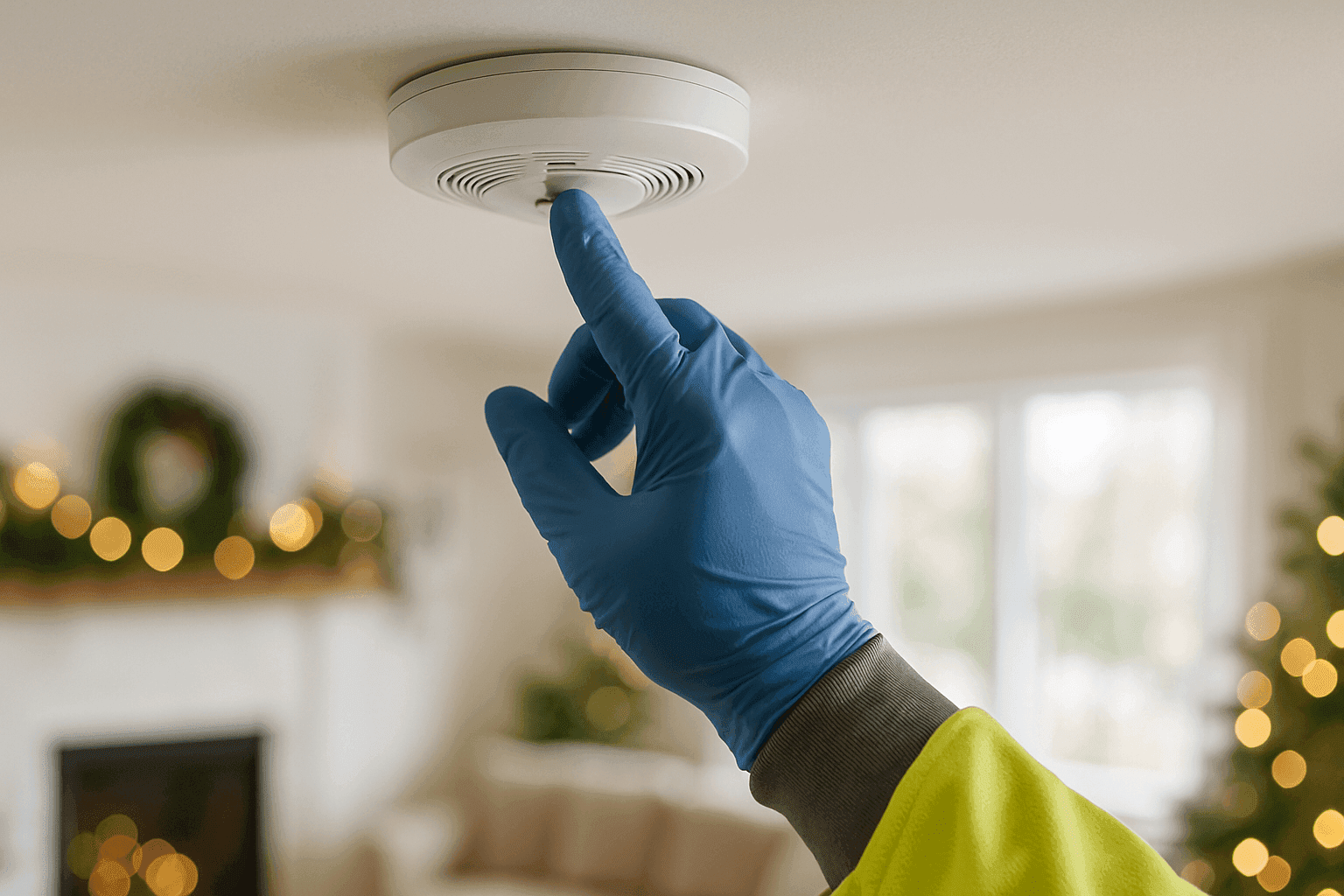
Every year, thousands of families face the heartbreak of house fires. The loss goes beyond things—it’s about memories, comfort, and peace of mind. At Franklin Fire Consulting, we’ve seen firsthand just how quickly fire_damage can turn life upside down. But here’s the good news: most house fires can be prevented with practical steps.
Fire safety isn’t just a winter worry or a summer concern. It’s a year-round commitment. Whether it’s a chilly December evening or a stormy night in June, your home faces different risks in every season. We’re here to help you recognize those risks—and keep them at bay.
Year-Round Fire Safety Basics 🔥
Fire doesn’t take a season off. Some risks lurk in every corner, no matter the month. The National Fire Protection Association (NFPA) and U.S. Fire Administration both stress the importance of daily vigilance.
The Essentials:
- Test your smoke alarms every month. Batteries should be changed at least once a year. No exceptions.
- Keep fire extinguishers on every level. Make sure everyone knows where they are and how to use them.
- Clear clutter from exits. If you need to leave quickly, you don’t want to trip over boxes or shoes.
- Avoid overloaded outlets. Plugging too many things in is like asking sparks to dance.
- Practice safe cooking. Never leave the kitchen while something is on the stove. Grease fires start in a blink.
- Store flammables safely. Paint, gasoline, and cleaning chemicals belong in a cool, dry place, far from heat sources.
Routine Inspections Matter
Schedule annual checkups for electrical systems, chimneys, and heating equipment. Think of it like a checkup for your home’s heartbeat. Qualified professionals can spot what you might overlook.
Winter and Holiday Fire Risks ☃️
Cold weather and holidays bring warmth, light—and new dangers.
Heating Hazards
- Space heaters: Keep them at least three feet away from anything that can burn. Never leave them running unattended.
- Fireplaces: Clean chimneys yearly. Use a sturdy screen to keep sparks from escaping.
- Furnaces: Replace filters and check for dust buildup.
Holiday Extras
- Candles: Use sturdy holders, and blow them out before leaving a room or going to bed.
- Decorative lights: Inspect cords for frays. Don’t run them under carpets or through doorways.
- Christmas trees: Water them daily. A dry tree can ignite faster than you’d believe.
Winter Checklist
- Replace old or faulty space heaters.
- Inspect electrical decorations before use.
- Never use ovens for heating your home.
- Store matches and lighters high and out of sight from children.
- Keep walkways clear for emergency exits—even with holiday décor.
Storm and Power Outage Precautions ⚡
Stormy weather and outages bring their own brand of chaos.
During a Storm
- Unplug sensitive electronics. Prevent damage from surges.
- Use flashlights, not candles, during blackouts.
- Keep generators outside. Never run them indoors or in garages—carbon monoxide is invisible and deadly.
After the Storm
- Check for electrical damage. If you smell burning or see sparks, turn off power at the main breaker and call a licensed electrician.
- Watch for water intrusion. Water + electricity = fire risk. Franklin Fire Consulting offers Damage Assessment near you to help spot hidden dangers.
Storm Safety Tips
- Have a battery-powered radio and extra batteries ready.
- Don’t touch fallen power lines—report them immediately.
- If fire_damage occurs, prioritize your family’s safety. Leave the house and call emergency services.
Creating a Family Fire Safety Plan 👨👩👧👦
Having a plan is like having a map out of a maze. When seconds count, confusion is your enemy.
Steps to Build Your Plan
- Draw a floor map of your home. Mark two exits from every room.
- Agree on a meeting place. Somewhere outside, like a mailbox or a neighbor’s porch.
- Practice fire drills twice a year. Make it a family game night, but with real lessons.
- Teach everyone how to call 911. Post emergency numbers near every phone.
- Assign roles. Who will help pets? Who checks bedrooms?
Special Considerations
- Children and older adults may need extra help. Talk through the plan until everyone feels confident.
- If someone in your home has mobility challenges, notify your local fire department.
Quick Safety Checklist
- Test smoke and carbon monoxide detectors today.
- Clear flammable clutter from furnace and water heater areas.
- Ensure fire extinguisher accessibility.
- Check extension cords and replace damaged ones.
- Review your emergency escape plan with your family.
DIY vs. Call a Pro
Some tasks, like changing batteries or unplugging appliances, are easy. But when it comes to wiring, furnace inspections, or chimney cleaning—leave it to professionals. It’s not just about getting the job done; it’s about making sure it’s done safely.
Franklin Fire Consulting provides comprehensive Damage Assessment near you. Our trained eyes catch what DIY guides can’t, from hidden smoldering spots to subtle signs of fire_damage.
What Pros Do On Arrival
When Franklin Fire Consulting arrives after a fire or close call, here’s what you can expect:
- Immediate Damage Assessment: We check for structural, smoke, and soot risks.
- Emergency Board-up: Securing doors and windows prevents further damage.
- Water Extraction: Removing standing water from firefighting efforts.
- Content Cleaning and Pack-Out: Salvaging what’s safe, storing valuables offsite if needed.
- Corrosion Control: Treating areas to prevent further deterioration from smoke and water.
Our team works fast and respectfully. Your home is your castle, and we treat it like ours.
Prevention & Maintenance
Think of fire prevention as an ongoing habit, not a one-time task.
Monthly
- Test alarms.
- Check fire extinguisher gauges.
- Sweep around appliances for dust and debris.
Seasonally
- Clean dryer vents.
- Inspect heating and cooling systems.
- Review your fire escape plan.
Annually
- Schedule professional chimney and furnace inspections.
- Replace outdated electrical cords and power strips.
- Review and update insurance policies—make sure you’re covered for fire_damage.
Costs & Time Factors
Fire prevention is an investment—usually, a minimal one compared to the cost of repairs or the heartbreak of lost memories.
- Smoke alarms: About $10–$50 each and take minutes to install.
- Professional inspections: Range from $100–$500, depending on the service.
- Fire extinguishers: $20–$100 each, lasting several years with proper maintenance.
Restoration after a fire is far more costly and time-consuming. Repairs can take weeks to months, depending on severity and insurance processing. Preventive steps now save not just money, but stress and heartache down the road.
When It’s an Emergency
If you ever see, smell, or sense fire_damage—don’t wait.
- Get everyone outside.
- Call 911.
- Notify your insurance company.
- Contact Franklin Fire Consulting for Damage Assessment near you.
Never try to fight a large fire yourself. Your safety is non-negotiable.
FAQ
How often should I replace smoke alarm batteries?
Change them at least once a year. If your alarm starts beeping, replace the battery immediately. Some models have sealed, 10-year batteries—replace the entire unit when it expires.
Can I use water to put out a grease fire?
Never. Water and hot oil are a recipe for disaster. Instead, cover the pan with a metal lid or use a fire extinguisher rated for grease.
What should I do after a small fire is out?
Ventilate your home. Check for lingering heat or smoke. Contact professionals for Damage Assessment near you—hidden fire_damage can cause problems later.
Is it safe to use my fireplace if it hasn’t been cleaned in years?
No. Creosote buildup is highly flammable. Have your chimney inspected and cleaned before lighting the first fire of the season.
Local and Seasonal Considerations
Weather patterns shift, and every home is unique. If your area is prone to wildfires, consider creating a defensible zone by clearing brush and debris away from your home. In humid regions, watch for mold and corrosion following water-based fire suppression.
If you travel, ask a trusted neighbor to collect mail and check on your home. Remote monitoring (like the services Franklin Fire Consulting offers) can give you peace of mind even when you’re away.
Staying safe from fire_damage is about more than alarms and extinguishers. It’s about habits, planning, and knowing when to call in help. Franklin Fire Consulting stands ready, day or night, to protect what matters most.
Call Franklin Fire Consulting now — or reach us anytime at 855-578-5098 .