Understanding the Cost of Fire Damage Restoration for Homeowners
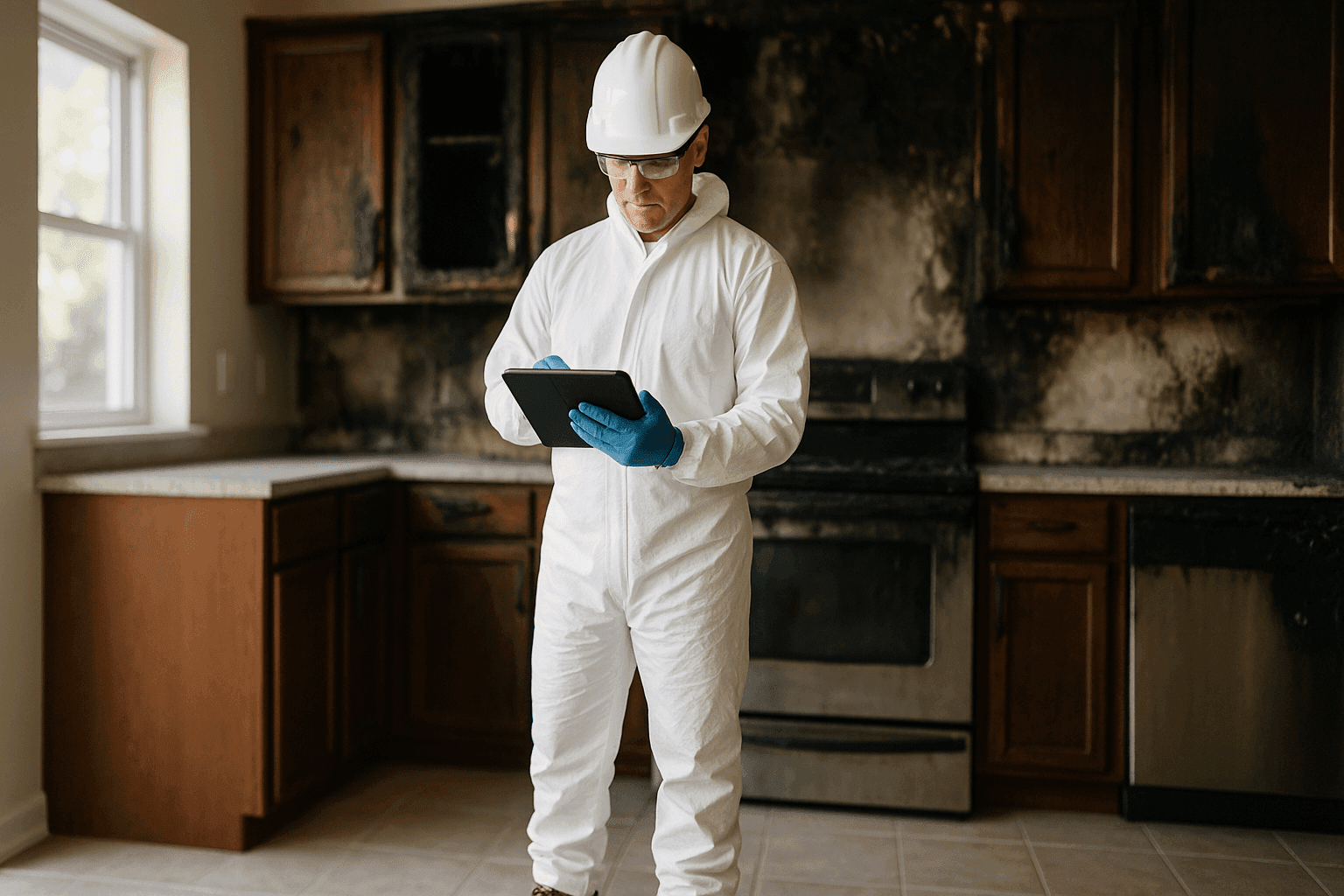
When the smoke settles, reality sets in. Fire damage isn’t just about blackened walls and burned belongings. It’s about rebuilding your life, one careful step at a time. At Franklin Fire Consulting, we understand the road ahead can seem overwhelming. Costs, insurance forms, decisions—each feels heavier when your home is at stake.
But you don’t have to go it alone. Our team has helped countless families navigate the maze of fire_damage restoration. We’re here to shed light on what to expect, explain the numbers, and help you make choices that protect your home and your wallet.
Typical Cost Ranges
Fire damage restoration costs can feel like a moving target. Why? Because no two fires are identical. The type of smoke, the amount of water used to put out the flames, and even the age of your house all play a role.
For most homeowners, fire_damage restoration will range from $3,000 to $30,000 (sometimes more for severe losses). Here’s what usually shapes the bill:
- Minor Fire: $3,000–$7,000
Small area, light smoke, limited pack-out or cleaning. - Moderate Fire: $8,000–$25,000
More rooms affected, visible soot and odor, possible water extraction, content cleaning, and partial reconstruction. - Severe Fire: $25,000–$80,000+
Significant structural damage, full pack-out, extensive smoke and water issues, complete rebuild of rooms or floors.
Remember: These are ballpark figures, not quotes. Every situation is unique. The final cost depends on specific details in your home and the services needed.
Key Factors That Affect Fire Restoration Pricing 🔥
Think of restoration costs like a puzzle—each piece fits together to make up the final picture. Here are the main factors that shape your fire_damage bill:
1. Severity of Damage
- Surface vs. Structural: Cleaning soot off walls is one thing. Replacing beams or rebuilding rooms is another. The deeper the damage, the higher the cost.
- Area Affected: A kitchen fire usually costs less than a whole-house blaze.
2. Size of the Home
The bigger the space, the more time, materials, and equipment needed. A townhouse will see lower costs than a 5-bedroom home.
3. Water Extraction and Drying
If fire crews used lots of water, add water extraction, dehumidification, and possible mold prevention. These steps are vital—moisture left behind can warp floors and breed mold.
4. Smoke and Soot Removal
Smoke is sneaky. It seeps into drywall, insulation, and air ducts. Specialized cleaning and odor removal can take days and require advanced tools.
5. Content Cleaning and Pack-Out
Personal belongings often need deep cleaning or storage off-site. Some items may be unsalvageable. Moving, packing, and cleaning all add to the cost.
6. Reconstruction and Repairs
Structural stabilization, temporary fencing, emergency board-up, and full rebuilding—these are often the most expensive pieces.
7. Environmental and Technical Services
Corrosion control (especially after electrical fires), technical reconditioning of electronics, and environmental services (like hazardous material cleanup) may be necessary.
Role of Insurance in Covering Costs
Insurance can feel like a safety net—or a maze. Most homeowner policies cover fire_damage, but the details matter.
What’s Usually Covered:
- Structure: Repairs to the physical home (walls, roof, floors, built-in fixtures)
- Personal Property: Furniture, appliances, clothing, and valuables (subject to limits)
- Loss of Use: Temporary housing and living expenses if your home is unlivable
Possible Out-of-Pocket Costs:
- Deductibles: The amount you pay before insurance kicks in
- Policy Limits: Maximum amounts the insurer will pay for certain categories
- Excluded Items: Some high-value items, landscaping, or older systems may not be covered
Demystifying Insurance Lingo
- Actual Cash Value (ACV): Pays what your items are worth today, minus depreciation
- Replacement Cost Value (RCV): Pays what it would cost to replace items with new ones
Communicating With Adjusters
- Take clear photos of all damage before cleanup starts
- Keep receipts for emergency expenses (hotel, food, clothing)
- Get estimates in writing from credible restoration firms
- Ask for explanations if coverage is denied or reduced
Refer to the National Association of Insurance Commissioners (NAIC) for definitions and help interpreting your policy.
Budgeting Tips for Homeowners 💡
Fire_damage restoration is a marathon, not a sprint. Here’s how to keep your finances steady:
- Request detailed, written estimates from experienced restoration companies
- Ask for itemized breakdowns (labor, materials, specialty services)
- Clarify emergency vs. scheduled work—urgent stabilization may cost more
- Discuss payment schedules with your contractor and insurer
- Prioritize safety-related repairs before cosmetic fixes
If your budget is tight, ask about options for phased work or temporary solutions while waiting for insurance payments.
How the Restoration Process Works
Knowing what happens after a fire can help you plan—and breathe easier.
Emergency Response
- 24-hour service teams arrive to stabilize the property
- Emergency board-up, temporary power, and fencing keep your home secure
Damage Assessment
- Thorough inspection: visible and hidden fire_damage
- Moisture mapping, smoke residue testing, and safety checks
Water Extraction and Drying
- Industrial pumps and dehumidifiers remove water and prevent mold
Content Pack-Out
- Personal items are inventoried, packed, and moved to a secure facility for cleaning
Smoke, Soot, and Odor Removal
- Specialized cleaning agents and equipment restore surfaces and air quality
Reconstruction
- Repairs range from drywall and flooring to full structural rebuilds
Ongoing Monitoring
- Remote monitoring and follow-up visits ensure the home is dry and safe for your return
Tips for Getting Accurate Estimates
- Choose certified restoration professionals (e.g., IICRC-certified)
- Be upfront about what’s most important—family heirlooms, photos, vital documents
- Walk through your home with the estimator so nothing is missed
- Ask questions about materials, techniques, and timeline
Frequently Asked Questions
How long does fire_damage restoration take?
It varies. Small jobs may finish in days; large-scale projects can last weeks or months. Permits, insurance approvals, and supply chain issues may also impact the timeline.
Can I stay in my home during restoration?
Sometimes, but not always. If there’s heavy smoke, soot, or structural risk, temporary relocation is safest.
Will my insurance cover all costs?
Usually, but check your policy. Some items may have limits or exclusions, and deductibles apply.
What if my home has hidden damage?
Professional Damage Assessment near you will uncover issues that aren’t visible, such as moisture in walls or wiring issues. Always insist on a full inspection.
Actionable Steps for Homeowners
- Save all receipts and document every conversation with your insurance company
- Don’t sign contracts or begin major repairs until insurance approval
- Schedule a Damage Assessment near you as soon as possible
Reference: Building Codes and Safety Guidelines
Restoration work must meet local building codes and guidelines from organizations like the National Fire Protection Association (NFPA) and the International Residential Code (IRC). Always verify that your contractor complies with these standards.
Final Thoughts
Facing fire_damage is never easy, but understanding the costs and process puts you back in control. With clear information and a little preparation, you can protect your investment and move forward—step by step, day by day.
Call Franklin Fire Consulting now — or reach us anytime at 855-578-5098 .