Fire Damage Assessment: Steps for Homeowners After a Fire
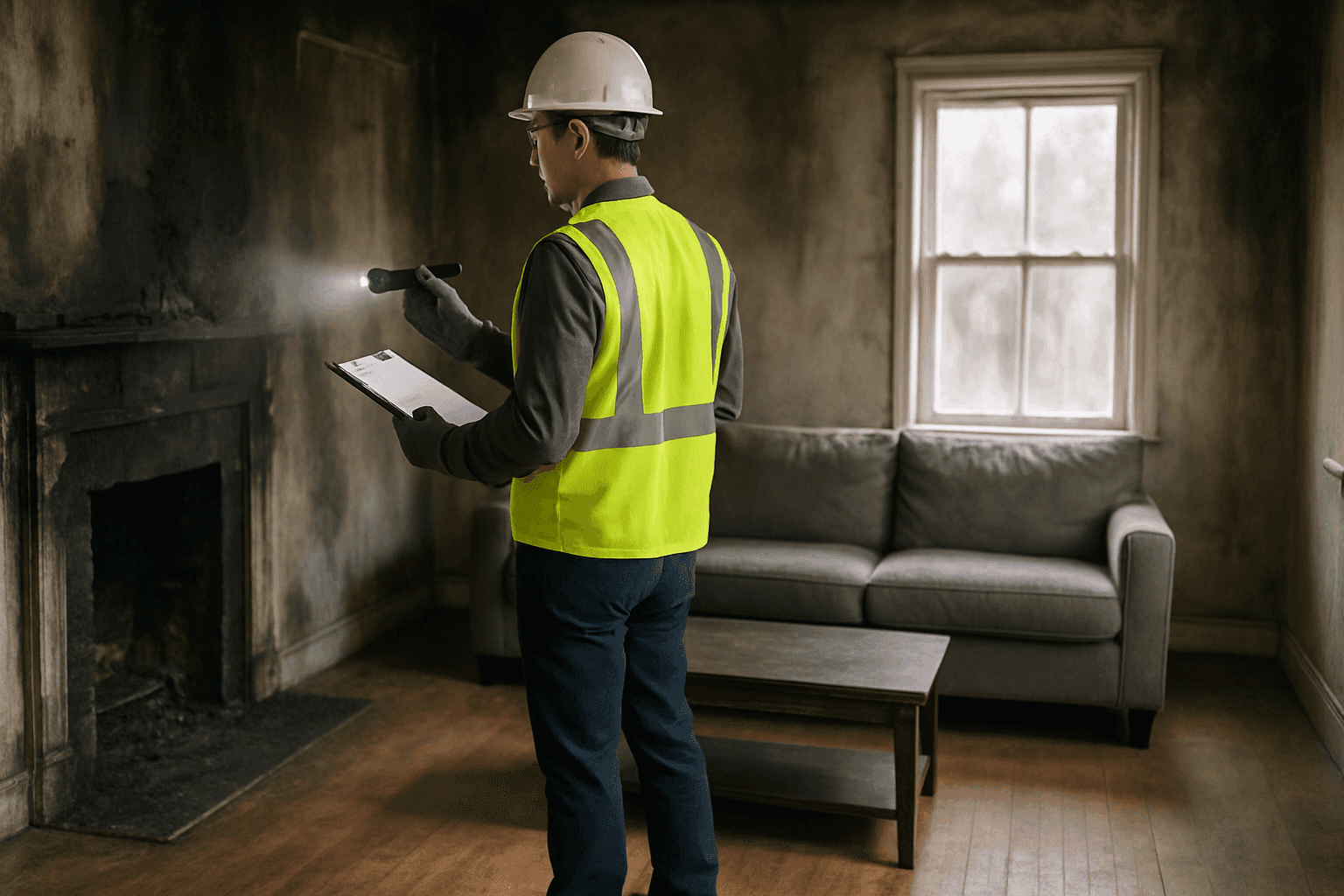
When the flames are gone and the sirens fade, the silence can feel overwhelming. Your home—your safe place—suddenly looks unrecognizable. It's normal to feel lost. But in these first hours, clear action can make all the difference.
At Franklin Fire Consulting, we've seen the aftermath of fire_damage in homes just like yours. We know how vital those first steps are, not just for your insurance claim, but for your safety and peace of mind. Here’s how to navigate the hours and days after a residential fire with confidence.
The Immediate Problem: What Now?
After a fire, the world feels like it’s on pause. But the clock is ticking. Smoke, water, and structural damage keep working long after the fire’s out. Homeowners often want to jump in and start cleaning, but not so fast—a safe and methodical approach is essential.
Before you do anything, you’ll need to understand what you’re looking at, what’s at risk, and when to call for help.
Immediate Safety Precautions 🛑
Your safety comes first—always. According to the National Fire Protection Association (NFPA), re-entering a fire-damaged building before it’s declared safe is dangerous. Here’s what to keep in mind:
- Wait for official clearance. Only return when fire or building officials say it’s safe.
- Wear protective gear. Heavy-duty shoes, gloves, a mask, and long sleeves help protect against unseen hazards.
- Watch for structural hazards. Ceilings, floors, and stairs may be weak or unstable.
- Avoid electrical systems. Water and fire can turn wires into hidden threats.
- Leave utilities off. Don’t turn on gas, water, or electricity until professionals finish their inspection.
- Keep kids and pets away. No exceptions.
If you smell gas or see sparks, leave immediately and call emergency services.
Visual Inspection Checklist
Once it’s safe, start with a walk-through. Think of it as making a map of the damage, not a repair mission. Don’t touch or move anything unless you must.
Look for signs of:
- Structural damage: Sagging ceilings, cracked walls, warped floors
- Smoke and soot: Black streaks on walls, ceilings, or inside cabinets
- Water damage: Pools on floors, wet drywall, swelling baseboards
- Corrosion: Appliances or metal fixtures with rust or white powdery residue
- Odors: Lingering smoke or chemical smells
Use your phone or a camera. Take wide shots of every room, then close-ups of anything damaged. Open drawers, closets, and cabinets—smoke and soot can settle anywhere.
Documenting Damage for Insurance 📝
Don’t rely on memory. Document everything, even if it seems minor. Insurance adjusters need evidence, not estimates.
- Photograph every room from multiple angles.
- Create a written log—date, time, and details of each item or area.
- Save receipts for expenses like hotels, meals, or emergency repairs.
- Don’t throw anything out until your insurance company says it’s okay.
Check your policy for coverage details. Some require you to notify them immediately; others have specific forms. The Insurance Information Institute recommends keeping digital and paper copies of your records.
When to Involve Professionals
Some things are best left to trained hands. At Franklin Fire Consulting, we follow standards from the Institute of Inspection, Cleaning and Restoration Certification (IICRC) and Occupational Safety and Health Administration (OSHA) for safety and quality.
Call in certified help if:
- You see structural damage—cracks, sagging, or collapsed parts of the house
- There’s heavy smoke or water damage
- You find hazardous materials—asbestos, chemicals, or fuel spills
- Utilities are affected—gas leaks, electrical issues, water pooling
Professional teams use advanced tools for moisture detection, air quality testing, and remote monitoring. They know what to look for and how to keep your family safe.
DIY Assessment vs. Calling a Pro
Some steps are safe for homeowners. Others are not.
You can:
- Take photos and make notes
- Remove undamaged valuables (with permission)
- List damaged items and save receipts
Leave this to the pros:
- Deep cleaning and deodorization
- Water extraction and drying
- Pack-out of salvageable items
- Board-up or structural stabilization
- Handling hazardous debris
Trying to do more can put you at risk or harm your insurance claim. Certified consultants, like those at Franklin Fire Consulting, know how to document and restore according to code.
What Pros Do on Arrival
When professionals arrive, their process is systematic—like a well-orchestrated team.
- Safety assessment: Inspect for immediate hazards and shut down utilities if needed.
- Damage mapping: Use moisture meters, thermal cameras, and documentation tools.
- Pack-out services: Carefully inventory and remove belongings for cleaning.
- Mitigation: Emergency board-up, water extraction, corrosion control, and odor removal.
- Detailed reporting: Provide clear, insurance-ready reports and restoration plans.
We coordinate with adjusters and contractors, ensuring nothing falls through the cracks.
Fire Damage: Prevention & Maintenance
The best recovery is prevention. After restoration, consider these tips:
- Install and maintain smoke detectors (test monthly, replace batteries yearly).
- Keep fire extinguishers on every floor.
- Develop (and practice) a family fire escape plan.
- Store important documents in a fireproof safe.
- Schedule regular inspections of wiring, heating, and appliances.
The Red Cross and local fire departments offer free resources for home fire safety.
Costs & Time Factors
Fire_damage restoration is rarely one-size-fits-all. Costs and timelines depend on:
- Extent of damage: Minor smoke cleanup vs. full reconstruction
- Size of home: Larger homes require more time and materials
- Special services: Pack-out, technical reconditioning, or environmental remediation
- Insurance process: Documentation and adjuster visits can add time
Basic cleanup may take a few days. Major reconstruction can take weeks or even months. Always ask for a written estimate and projected timeline.
When It’s an Emergency 🚨
Sometimes, things can’t wait:
- Roof or window damage that exposes the interior
- Unstable walls or ceilings
- Standing water (risk of mold after 24–48 hours)
- Hazardous odors (like gas or chemicals)
- Loss of power, heat, or security
In these cases, call for emergency board-up, temporary fencing, or power. Quick action limits further loss.
FAQ: Common Homeowner Questions
1. Should I try to clean up soot and smoke myself?
No. Soot is toxic and can penetrate deep into surfaces. Professional cleaning is safer and more thorough.
2. How soon should I contact my insurance company?
As soon as possible. The sooner you start the claim, the faster your recovery can begin.
3. Can water damage from firefighting cause long-term problems?
Yes. Untreated water damage can lead to mold or structural decay. Early extraction and dehumidification are key.
4. What if I can’t stay in my home?
Keep receipts for hotels or meals. Most insurance policies cover reasonable living expenses during repairs.
Local & Seasonal Considerations
Weather and climate can change your recovery plan. In winter, freezing temperatures increase the risk of burst pipes after a fire. In humid areas, mold can grow quickly in water-damaged spaces. Wildfire-prone regions may require extra environmental services and air quality checks.
If you’re searching for “Damage Assessment near you,” look for certified, 24-hour service providers who understand local codes and seasonal risks.
Taking the right steps after a fire isn’t just about fixing your house—it’s about reclaiming your home and peace of mind. If you need guidance, Franklin Fire Consulting is here to help.
Call Franklin Fire Consulting now — or reach us anytime at 855-578-5098 .